
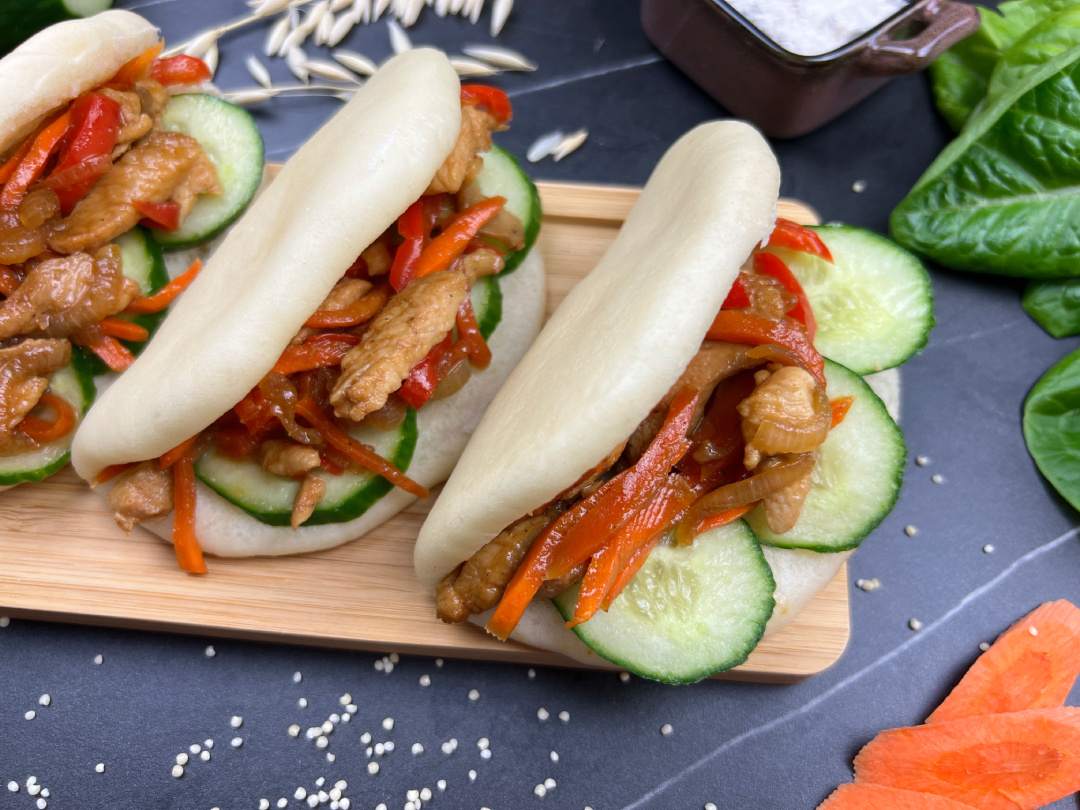
We all know about the fluffy and delicious bao buns. But what’s even better than sinking your teeth into these pillowy delights? Crafting them from scratch in the comfort of your kitchen. If you’ve ever dreamed of creating a feast of hot, fresh, and utterly delicious Bao Buns, you’ve landed in the right place. Today, we’re thrilled to take you on a culinary journey with a comprehensive, step-by-step Bao Buns recipe guide.
Prepare to embark on a delicious adventure as we unveil the secrets to making these beloved Asian delicacies right at home. Whether you’re a seasoned cook or a kitchen novice, this guide will walk you through every stage of the bao-making process so you can savor the joy of homemade bao buns with every bite. Let’s roll up our sleeves, dust off our aprons, and delve into the world of bao bun mastery.
Contents
- 1 Exploring the Enigma of Bao Buns
- 2 Unearthing Cultural Treasures
- 3 Your Passport to Bao Buns Mastery
- 4 History and Origin of Bao Buns
- 5 From Ancient China to Global Delight
- 6 Ingredients for Bao Buns
- 7 Tools Required for Bao Buns Recipe
- 8 Preparing the Bao Bun Dough
- 9 Bao Buns’ Filling Options
- 10 The Classic Pork Filling
- 11 Vegetarian and Alternative Delights
- 12 Seasoning and Flavoring Tips for Bao Buns
- 13 Preparing the Filling
- 14 Crafting the Perfect Filling
- 15 Seasoning and Flavoring
- 16 Serving Suggestions
- 17 Tips for Storing and Reheating
- 18 Conclusion
Exploring the Enigma of Bao Buns
Bao buns, also known as “baozi” or “steamed buns,” are integral to Asian culinary heritage. They’ve gained immense popularity globally and for a good reason. Imagine biting into a soft, pillowy bun, revealing a succulent filling that bursts with flavor. It’s a taste experience like no other.
Unearthing Cultural Treasures
Beyond their delectable taste, bao buns hold a special place in the hearts of many cultures. These little marvels are not just food; they embody tradition, history, and community. Their cultural significance is as diverse as the fillings they cradle, and we’ll uncover some of these fascinating stories as we journey deeper into the world of bao buns.
Your Passport to Bao Buns Mastery
While we’ll undoubtedly dive into bao buns’ history and cultural significance, our primary focus is to empower you with the knowledge and skills needed to craft these delicious delights in your kitchen. We’re talking about a comprehensive bao buns recipe that will demystify the art of bao making, whether you’re a seasoned chef or a kitchen novice.
So, prepare to be enticed by tales of bao bun magic, inspired by their cultural roots, and equipped with the tools and know-how to create your bao bun masterpieces. Let’s embark on this culinary adventure together, where the ultimate goal is to make your taste buds dance with delight.
History and Origin of Bao Buns
Let’s hop in our culinary time machine and journey back to when bao buns were just humble creations in the bustling markets of ancient China. Fasten your seatbelts because we’re about to explore the intriguing history and origins of these fluffy, steamed wonders.
From Ancient China to Global Delight
Our journey begins in China, where bao buns were born. These little bundles of joy have a history that stretches back thousands of years. We’ll peel back the layers of time to discover how these simple buns evolved from a basic sustenance food to a culinary sensation that has crossed borders and continents.
Ingredients for Bao Buns
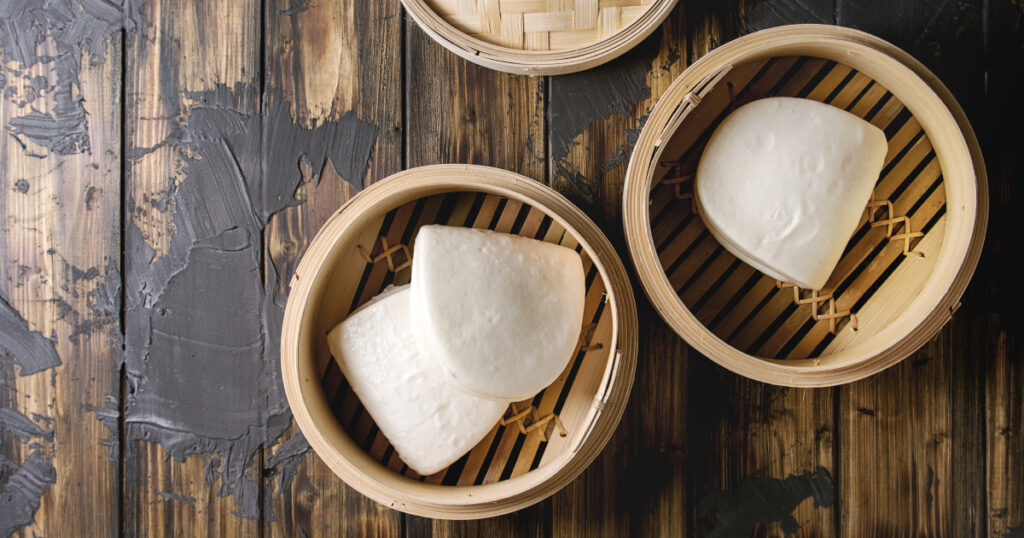
Now that we’ve set the stage for our bao bun adventure, it’s time to gather our culinary essentials. Creating the perfect bao buns requires a handful of key ingredients, each crucial in achieving that irresistible taste and texture. So, let’s look at what you’ll need to embark on this delicious journey.
The Building Blocks of Bao
- All-Purpose Flour: At the heart of any good bao bun recipe, all-purpose flour forms the base of the dough. It provides the structure and chewiness that we adore.
- Yeast: This tiny but mighty ingredient is responsible for the dough’s rise and that signature fluffiness.
- Sugar: Sweetness enhances the overall flavor and helps activate the yeast.
- Baking Powder: For that extra lift and a softer, airy texture.
- Salt: Just a pinch to balance the sweetness and enhance the flavor of the dough.
- Water: The liquid component that brings everything together. You want it lukewarm to help activate the yeast effectively.
Optional Specialty Ingredients
Depending on the bao bun variation you’re aiming for, you might venture into specialty ingredients:
- Pork Belly: For classic pork bao buns, you’ll want tender pork belly, soy sauce, and aromatics like ginger and garlic.
- Mushrooms and Tofu: If you’re going for a vegetarian twist, gather shiitake mushrooms, tofu, and soy-based flavorings.
- Sesame Oil: A dash of sesame oil can elevate the flavor profile of your fillings.
- Scallions: Fresh scallions add color and flavor to your bao buns.
Where to Find Specialty Ingredients
While most essential ingredients are readily available at your local grocery store, you might need to venture into Asian markets or specialty stores for items like pork belly, shiitake mushrooms, or unique sauces. Don’t fret if you can’t find them nearby; online retailers often carry these ingredients, making it easier to source what you need for your culinary masterpiece.
Now that we’ve assembled our ingredients, it’s time to talk about the tools and equipment that will help us transform these raw ingredients into steaming, delectable bao buns.
Tools Required for Bao Buns Recipe
Creating perfect bao buns requires more than just ingredients; you’ll need the right tools of the trade to bring your buns to life. Explore the essential equipment and understand why each item is vital in bao-making.
- Mixing Bowls: These are your trusty companions for preparing the dough, fillings, and any accompanying sauces.
- Measuring Cups and Spoons: Precision matters in baking, so ensure accurate measurements for your ingredients.
- Rolling Pin: To flatten and shape the dough into that signature bun form.
- Pastry Brush: Useful for applying oil or water to the buns before steaming, giving them that beautiful sheen.
- Steamer Basket: The star of the show for steaming your bao buns to fluffy perfection.
- Parchment Paper: Helps prevent the buns from sticking to the steamer and ensures easy removal.
- Bamboo Steamer or Metal Steamer: Depending on your preference, both work wonders.
- Plastic Wrap or Cloth: Essential for covering the buns while they proof and rise.
- Sharp Knife or Dough Cutter: For portioning and shaping your dough.
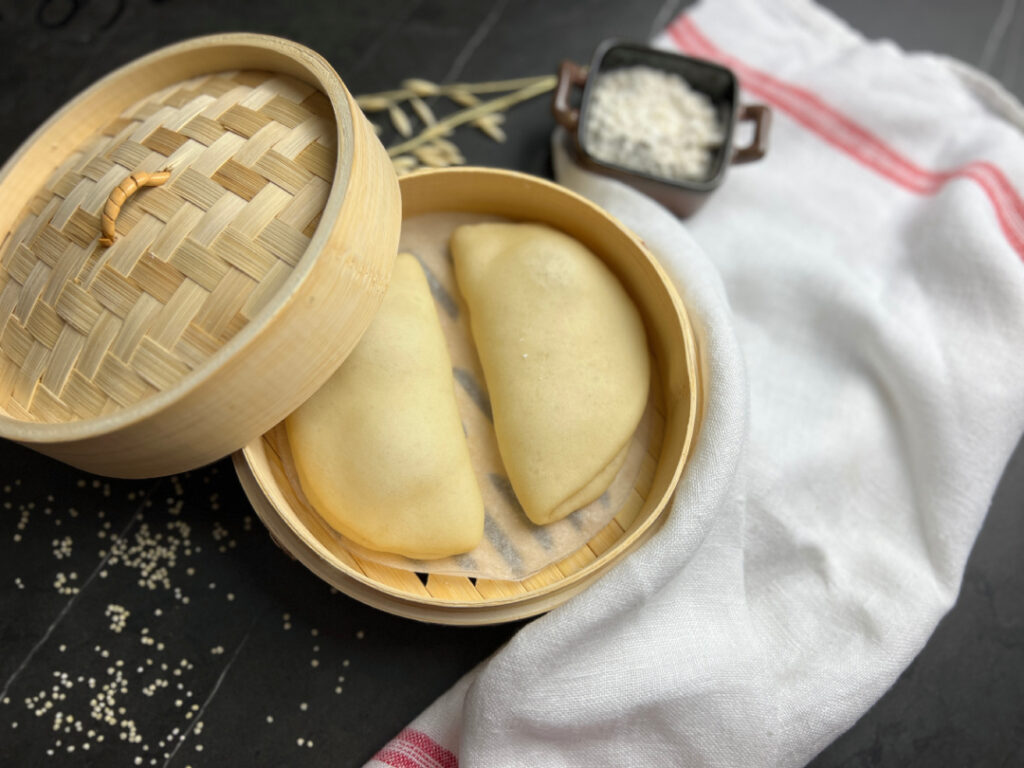
Each tool uniquely plays a bao-making role, ensuring your buns turn out just right. So, gather your ingredients and equipment, and prepare to create bao buns that will delight your taste buds and your friends and family asking for more.
Preparing the Bao Bun Dough
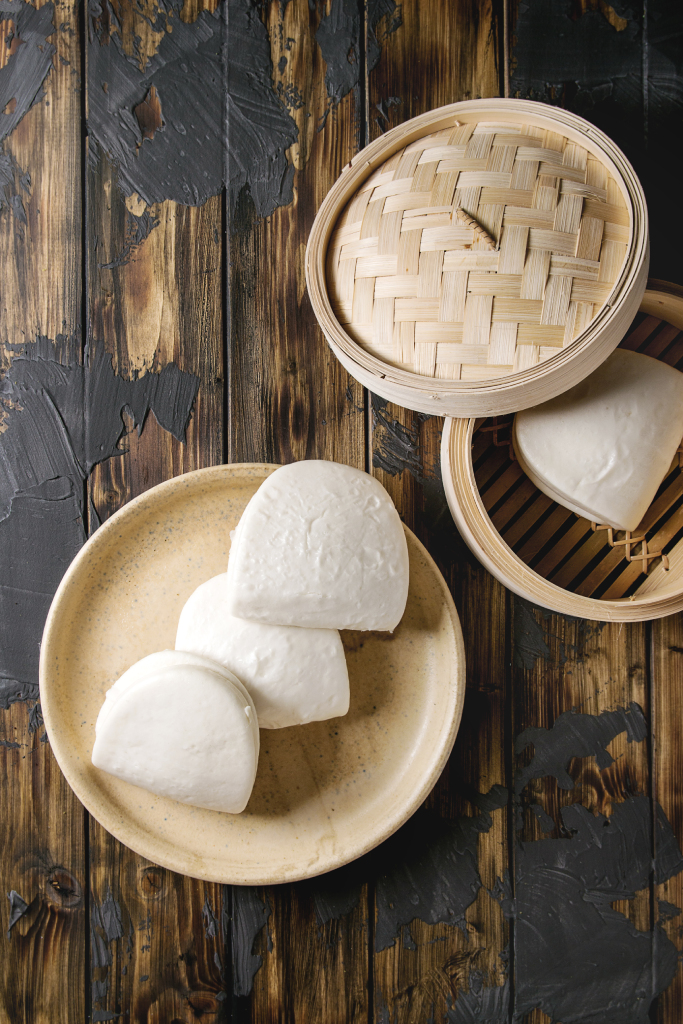
Bao buns, those pillowy clouds of deliciousness, all start with one crucial element: the dough. Making the perfect bao bun dough from scratch is a rewarding process that yields a soft, tender, and slightly sweet base for your fillings. In this step-by-step guide, we’ll take you through crafting this essential component of your bao buns. Plus, we’ll share some expert tips to ensure you achieve the perfect dough consistency. So, roll up your sleeves, and let’s get started!
Ingredients You’ll Need for Bao Bun:
- 2 ½ cups of all-purpose flour
- 1 ½ teaspoons of active dry yeast
- 2 tablespoons of sugar
- 1 teaspoon of baking powder
- A pinch of salt
- ¾ cup of lukewarm water
1: Activate the Yeast
- In a small bowl, combine the lukewarm water and sugar. Stir until the sugar is mostly dissolved.
- Sprinkle the yeast over the water-sugar mixture, ensuring it covers the surface.
- Let it sit undisturbed for about 5-10 minutes until it becomes frothy. This indicates that the yeast is active and ready to work its magic. If it doesn’t froth, your yeast might expire, and you’ll need to start with fresh yeast.
2: Mix Dry Ingredients
- Sift together the all-purpose flour, baking powder, and a pinch of salt in a large mixing bowl.
- Create a well in the center of the dry ingredients, and pour in the yeast mixture.
3: Combine and Knead
- Mix the wet and dry ingredients with a spatula or your hands until they form a rough dough.
- Transfer the dough to a lightly floured surface and begin kneading. This is where the magic happens. Kneading helps develop gluten, giving your bao buns their signature texture.
- Knead the dough for 10-15 minutes until it becomes smooth, elastic, and no longer sticky. If the dough feels overly sticky, add a little more flour. If it’s too dry, sprinkle a touch of water.
- A good test for readiness is to press your finger into the dough; it should spring back.
4: Shape the Dough
- Form the kneaded dough into a smooth ball.
- Cover it in a clean bowl with a damp cloth or plastic wrap.
- Allow the dough to rest and rise in a warm, draft-free place for about 1-1.5 hours. During this time, it should double in size. This rising step is essential for the characteristic fluffiness of bao buns.
5: Punch Down and Rest
- After the dough doubles, gently punch it to release any trapped air.
- Divide the dough into equal-sized portions. The size depends on how big you want your bao buns to be; a standard size is about 2-3 inches in diameter.
- Roll each portion into a smooth ball and flatten it slightly with your palm.
6: Roll Out the Bao Buns
- Using a rolling pin, roll each dough portion into an oval or round shape, about 1/4-inch thick.
- Keep the edges slightly thicker than the center; this helps when folding the buns later.
7: Fold and Fill
- Place your desired filling in the center of each dough circle.
- Fold the dough over the filling and pleat the edges to seal. Pinch the top together to ensure a tight seal.
8: Rest and Steam
- Cover the filled bao buns with a clean cloth or plastic wrap and let them rest for 15-20 minutes. This secondary resting period helps the dough relax and rise a bit more.
9: Steam to Perfection
- Steam the bao buns in a bamboo or metal steamer lined with parchment paper for approximately 15-20 minutes.
- Leave enough space between each bun to allow for expansion during steaming.
- The bao buns are ready when they become puffy, slightly translucent, and have a lovely sheen.
Congratulations! You’ve successfully crafted the bao bun dough from scratch. The result is a fluffy canvas ready to cradle your chosen fillings. Remember, practice makes perfect, and getting the dough consistency right might take a bit of trial and error. Don’t be discouraged if your first attempt isn’t flawless; it’s all part of the delicious learning process. Enjoy your homemade bao buns, and savor every bite of your culinary masterpiece!
Bao Buns’ Filling Options
Now, let’s explore various filling options, including the classic pork bao buns; it’s time to unveil the secrets of crafting the perfect bao bun filling. Whether you’re wondering how to make bao buns or seeking a delightful steamed bao buns recipe, you’ve come to the right place.
The Classic Pork Filling
Our first stop on this flavor-packed tour is the classic pork bao bun filling. Picture succulent pork belly marinated in a symphony of flavors, from soy sauce to aromatic ginger and garlic. This classic filling is a nod to tradition, delivering a perfect blend of savory and slightly sweet notes essential for creating the most delectable pork bao buns.
For those eager to recreate this timeless classic, our earlier sections provide a comprehensive steamed bao buns recipe with step-by-step instructions on crafting this iconic pork filling.
Vegetarian and Alternative Delights
But the world of bao bun fillings doesn’t stop at pork. If you’re looking for vegetarian or alternative options, you’ll find an array of delightful choices awaiting your taste buds.
Mushroom Magic: Sauteed shiitake mushrooms paired with tofu, garlic, and soy sauce create an umami-rich filling perfect for those seeking vegetarian bao buns.
Green Goodness: Blanched spinach mixed with crumbled tofu, sesame oil, and a hint of hoisin sauce offers a wholesome, plant-based delight for anyone exploring alternative bao bun fillings.
Sweet Potato Sensation: Roasted sweet potatoes mashed with a touch of brown sugar and a pinch of cinnamon provide a sweet, earthy alternative perfect for steamed bao buns.
Beyond Meat Adventures: Dive into the world of plant-based meat substitutes like Beyond Meat or tempeh. Season them to mimic the texture and taste of traditional meat fillings, ideal for those seeking an alternative to pork bao buns.
Seasoning and Flavoring Tips for Bao Buns
Whether you’re sticking with tradition or venturing into new taste territories, seasoning, and flavoring are crucial to creating bao bun fillings that genuinely shine:
- Play with sauces like hoisin, oyster sauce, or sriracha to add layers of flavor to your chosen bao bun filling.
- Embrace the aromatic wonders of ginger, garlic, scallions, and cilantro to elevate your filling’s taste profile, a crucial step in mastering how to make bao buns that burst with flavor.
- Achieve a harmonious balance of flavors by incorporating a hint of sweetness through sugar or honey, complemented by a dash of umami from soy sauce or miso paste.
- Consider adding a textural element like toasted sesame seeds or crushed peanuts to give your filling an enticing crunch, enhancing both taste and mouthfeel.
So, following a classic pork bao buns recipe or experimenting with alternative fillings, these tips will guide you on your flavorful journey as you prepare the perfect bun filling.
Preparing the Filling
Now that we’ve tantalized your taste buds with filling options, it’s time to roll up your sleeves and prepare the chosen filling for your bao buns. Whether following tradition or embracing alternative flavors, these detailed instructions and seasoning tips will ensure your bao buns are culinary masterpieces.
Crafting the Perfect Filling
Begin by gathering the ingredients you need to create your chosen filling, whether it’s the classic pork or one of the enticing alternatives we’ve explored earlier in our bao bun journey. Be sure to refer back to the recipe sections in our article for specific instructions on preparing each type of filling.
Seasoning and Flavoring
Crafting an extraordinary bao bun filling is an art, and here are some pro tips to help you become a flavor maestro:
- Sauce Alchemy: Experiment with a symphony of sauces, from the sweet notes of hoisin to the umami-rich oyster sauce and the fiery kick of sriracha. Mixing them creates layers of flavor that will tantalize your taste buds.
- Herbal Elegance: Elevate your filling with the fresh, aromatic dance of ginger, garlic, scallions, and cilantro. These vibrant ingredients infuse your filling with a burst of freshness and complexity.
- Balancing Act: Achieve the perfect harmony by adding sweetness, whether sugar or honey, and umami depth from soy sauce or miso paste. This balance creates a flavor profile that’s both nuanced and memorable.
- Texture Play: Introduce a satisfying crunch by incorporating toasted sesame seeds or crushed peanuts. This textural contrast adds excitement to each bite.
In the realm of fillings, your culinary canvas is wide open, and your creativity knows no bounds. So, let your taste buds be your guide, experiment with flavors, and relish the journey of crafting a bao bun filling that’s uniquely yours.
Serving Suggestions
Now, when it comes to serving bao buns, the possibilities are as diverse as your culinary creativity! These pillowy pockets of joy are incredibly versatile, making them a canvas for various fillings and flavor profiles. Start with the classics: tender slices of marinated and grilled pork, crispy fried chicken, or succulent braised beef, complemented by fresh herbs, pickled vegetables, and a drizzle of hoisin or Sriracha sauce.
Consider options like crispy tofu, sautéed mushrooms, or a medley of stir-fried vegetables with a rich peanut sauce for a vegetarian twist. Experiment with fusion fillings – think Korean-style bulgogi, Thai-inspired shrimp, or even Mediterranean flavors like falafel and tahini.
But don’t stop at savory fillings; these buns can also embrace your sweet tooth. Try dessert variations filled with Nutella, banana, ice cream, or sweet red bean paste.
For an unforgettable serving experience, create a bun bar with various fillings and condiments, allowing your guests to assemble their personalized bao masterpieces. Whether you’re hosting a casual family dinner or an elegant soirée, these buns are a crowd-pleaser, ready to be tailored to your taste and style. Let your imagination run wild, and enjoy these tasty treats.
Tips for Storing and Reheating
A few simple tips can make a difference when enjoying leftovers or preparing them in advance. To store your buns, make sure they’re completely cooled, and then pop them in an airtight container or resealable bag. Keeping them airtight prevents them from drying out.
When it’s time to reheat, the steaming method is your best friend. Use a bamboo or metal steamer; just a few minutes, and they’ll be as soft and fluffy as fresh ones.
You can also microwave them with a damp paper towel for a quick fix. So, remember, a little care in storage and reheating can keep your bao buns tasting amazing.
Conclusion
In our flavorful journey through the world of bao buns, we’ve uncovered the secrets to crafting these delectable delights from scratch. From mastering the art of dough-making to exploring a myriad of mouthwatering fillings and serving suggestions, we’ve equipped you with the skills and inspiration to become a bao bun virtuoso in your own kitchen.
Remember, making bao buns is not just a culinary endeavor; it’s an experience that combines tradition, creativity, and the joy of savoring every bite. So, we invite you to roll up your sleeves, embrace the aroma of rising dough, and embark on your own bao bun adventure.
Whether following the classic pork bao buns recipe or experimenting with alternative fillings, these versatile treats can cater to any palate. Share your creations with friends and family, and relish serving homemade, steaming, and utterly irresistible bao buns.