
Contents
Introduction:
For the people who love the rich flavors and surfaces of high quality bread, the Dakota bread recipe is a must-attempt. This conventional bread begins from the Midwest, especially from the Dakotas, where it has been a staple for ages. With its firm covering and delicate inside, Dakota bread is an ideal backup to various dishes, from generous stews to new plates of mixed greens. In this article, we’ll investigate the set of experiences and elements of Dakota bread, as well as give a basic recipe to make this delectable bread at home.
History of Dakota Bread Recipe
Dakota bread was established in the early European pilgrims who came to the Incomparable Fields district of the US. These pioneers carried with them their own bread-production customs, which were affected by the breads of their countries. After some time, these practices mixed with the neighborhood fixings and cooking strategies for the district, bringing about the particular Dakota bread we know today.
Ingredients and Characteristics:
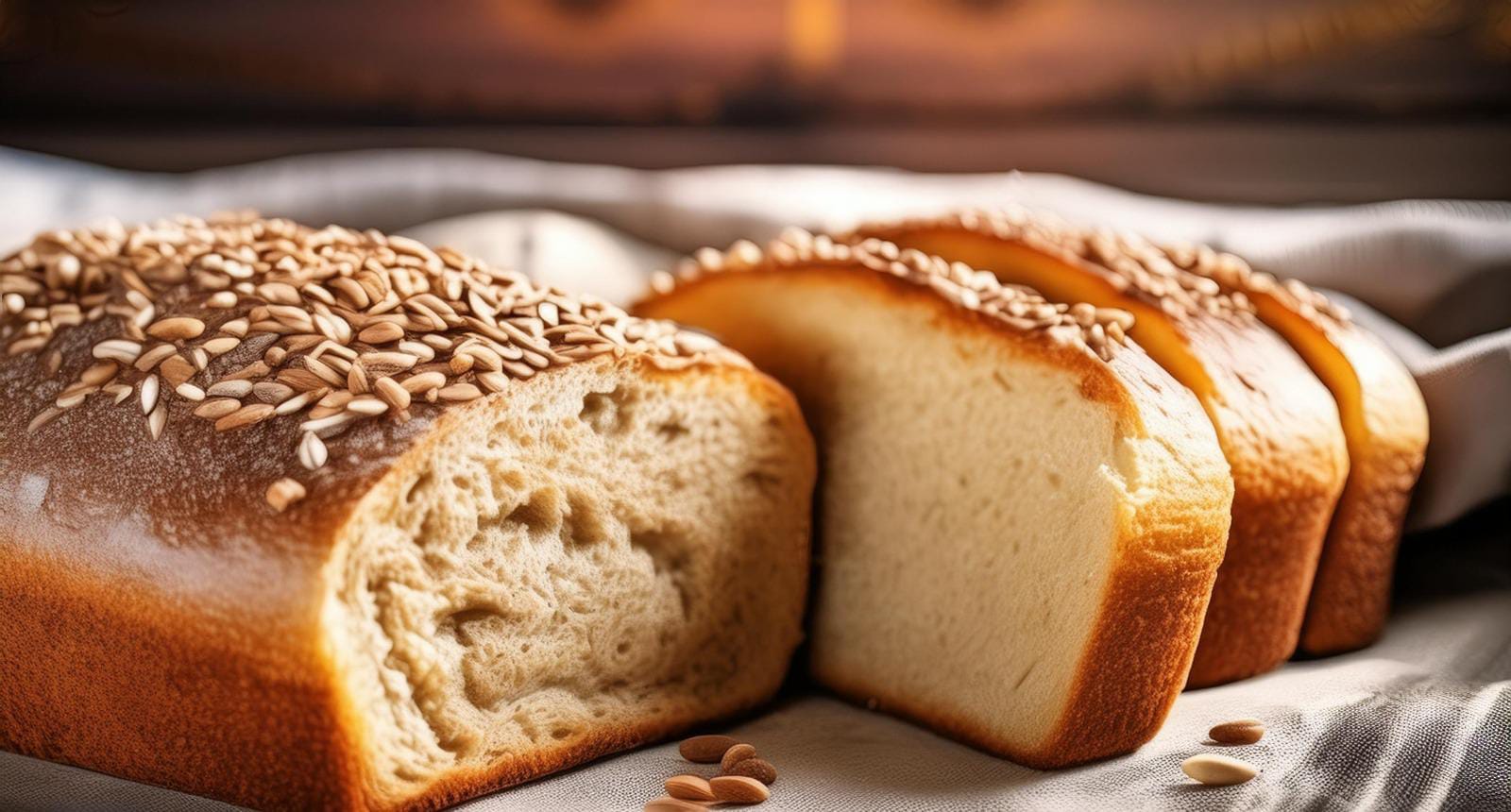
Dakota bread is known for its thick, chewy surface and its firm, brilliant covering. The mixture is regularly made with a blend of regular baking flour, entire wheat flour, yeast, salt, sugar, and warm water. The batter is permitted to ascend for a few hours, which gives the bread its trademark surface and flavor. Dakota bread is frequently seasoned with caraway seeds, which add a nutty, somewhat sweet taste.
Dakota Bread Recipe
Making Dakota bread at home is a moderately straightforward cycle that requires persistence and meticulousness. Here is a fundamental recipe to kick you off:
Ingredients:
- 2 cups all-purpose flour
- 1 cup whole wheat flour
- 1 teaspoon active dry yeast
- 1 teaspoon salt
- 1 tablespoon sugar
- 1 cup warm water
- 1 tablespoon caraway seeds (optional)
Instructions:
- Consolidate Dry Fixings: In a huge blending bowl, join the regular flour, entire wheat flour, yeast, salt, and sugar.
- Add Warm Water: Progressively add the warm water to the dry fixings, blending until a shaggy mixture structures.
- Massage the Mixture: Turn the batter out onto a floured surface and manipulate for 10-15 minutes, until the batter becomes smooth and flexible.
- Allow it To rise: Spot the mixture in a lubed bowl, cover it with saran wrap, and let it ascend in a warm, sans draft place for 1-2 hours, or until it has multiplied in size.
- Shape the Mixture: Punch down the batter and shape it into a round or elliptical portion. Place the portion onto a baking sheet fixed with material paper.
- Permit it To rise Again: Cover the piece with grip wrap and allow it to climb for another 30-45 minutes, or until it has duplicated in size again.
- Set up the Bread: Preheat your stove to 375°F (190°C). Set up the bread for 35-40 minutes, or until it is breathtaking brown and sounds void when tapped on the base.
- Cool the Bread: Dispense with the bread from the grill and let it cool on a wire rack for something like 30 minutes before cutting.
Tips and Variations:
- For a more uncommon flavor, have a go at adding a tablespoon of molasses or honey to the player.
- To work on a superficial level, add a tablespoon of fundamental wheat gluten to the player.
- For a more provincial covering, set up the bread at 425°F (220°C) for the underlying 15 minutes, then, at that point, decrease the power to 375°F (190°C) for the overabundance of baking time.
Dakota Bread Health Benefits
Dakota bread, a customary bread from the Midwest, isn’t just a delightful treat yet additionally loaded with supplements that can give various medical advantages. Wealthy in dietary fiber, entire wheat flour utilized in Dakota bread manages processing, forestalls obstruction, and supports solid glucose levels. Moreover, the cell fortifications from caraway seeds used in the recipe shield the body from free progressives, which can add to continuous ailments like coronary sickness, illness, and Alzheimer’s. Dakota bread is similarly a nice wellspring of protein, central for building and fixing muscles, organs, and tissues in the body. Besides, the prebiotic fiber in Dakota bread takes care of the great microorganisms in the stomach, advancing a sound stomach microbiome, which can prompt better processing, supported resistance, and, surprisingly, mental prosperity.
Conclusion:
Dakota bread is a delightful and fulfilling bread that is ideal for nibbling, sandwiches, or serving close by your number one dishes. With its rich history and straightforward recipe, it’s no big surprise that this bread has stayed a staple in numerous Midwestern families for ages. Whether you’re a carefully prepared dough puncher or simply beginning, the Dakota bread recipe is an extraordinary method for investigating the universe of distinctive bread-production and making a delightful, custom made portion that is certain to please.
FAQs:
What is Dakota style bread?
No-Ply Dakota Bread is a good bread loaded up with pumpkin seeds, sunflower seeds, poppy seeds, and sesame seeds. It tastes really natural and is stacked with a nutty surface.
Where did Dakota bread come from?
Did you know, Dakota bread was made for the festival of North Dakota’s 100th commemoration of statehood. Since it is crammed with entire wheat and rye flours, in addition to grain, oats, sunflower seeds, and more-it addresses the state’s plentiful collection.
What is Dakota bread Great Harvest?
Dakota. Sunflower, pumpkin, and sesame seeds are liberally worked into our honey entire wheat batter for a crunchy, good, and tasty bread.
What are the 3 types of breads?
There are three principal sorts of bread on the planet: those that ascend most noteworthy so are heated in skillet, breads with a medium volume like rye and French breads, and those that scarcely ascend at all called flatbreads.