
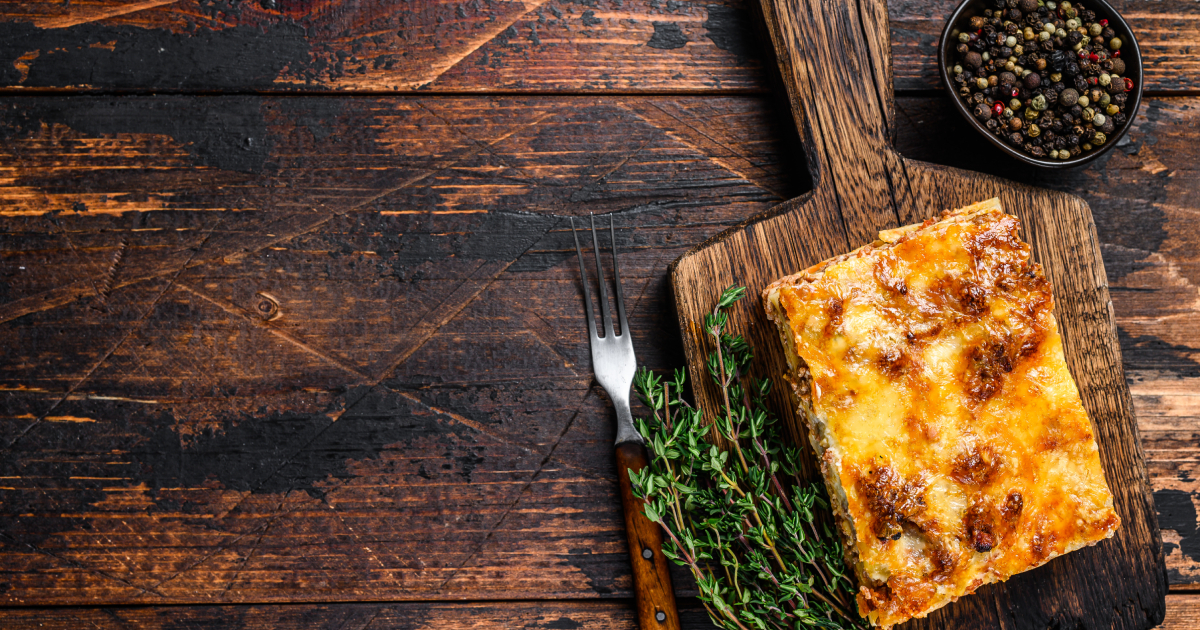
If you’ve ever been stumped about the ideal baking time for lasagna at a temperature of 425 degrees Fahrenheit, you’re not alone. A dish as wonderful as lasagna, with its multiple layers and rich ingredients, requires some precision. The time you keep it in the oven can make all the difference between a perfect and an average meal.
Lasagna, a beloved Italian treasure, is a staple in gatherings with family or friends. Crafting it in your kitchen is about following a recipe and making memories. The magic lies in baking it to perfection, ensuring its layers are harmoniously melded together.
Contents
- 1 What Exactly Is Lasagna?
- 2 How Is Lasagna Made? The Art of Lasagna Making
- 3 Essential Components for Making the Perfect Lasagna
- 4 The Process of Lasagna making
- 5 Nutritional information on lasagna
- 6 Can you Bake lasagna at 425 degrees Fahrenheit?
- 7 How Long To Bake Lasagna at 425 degrees Fahrenheit?
- 8 How Long To Bake Lasagna at 400 degrees Fahrenheit?
- 9 How Long Does It Take To Bake Frozen Lasagna At 425?
- 10 How Do You Know When Lasagna is Baked to Perfection?
- 11 How Do You Enhance The Taste Of Lasagna?
- 12 Can you prepare lasagna ahead of time?
- 13 How Do You Reheat Cook Frozen Lasagna?
- 14 How Long To Bake Lasagna Uncovered or Covered At 350?
- 15 How Long Can Lasagna Sit Out Before Baking?
- 16 Do You Have To Wrap Lasagna With Foil While It Cooks?
- 17 Wrapping it up
What Exactly Is Lasagna?
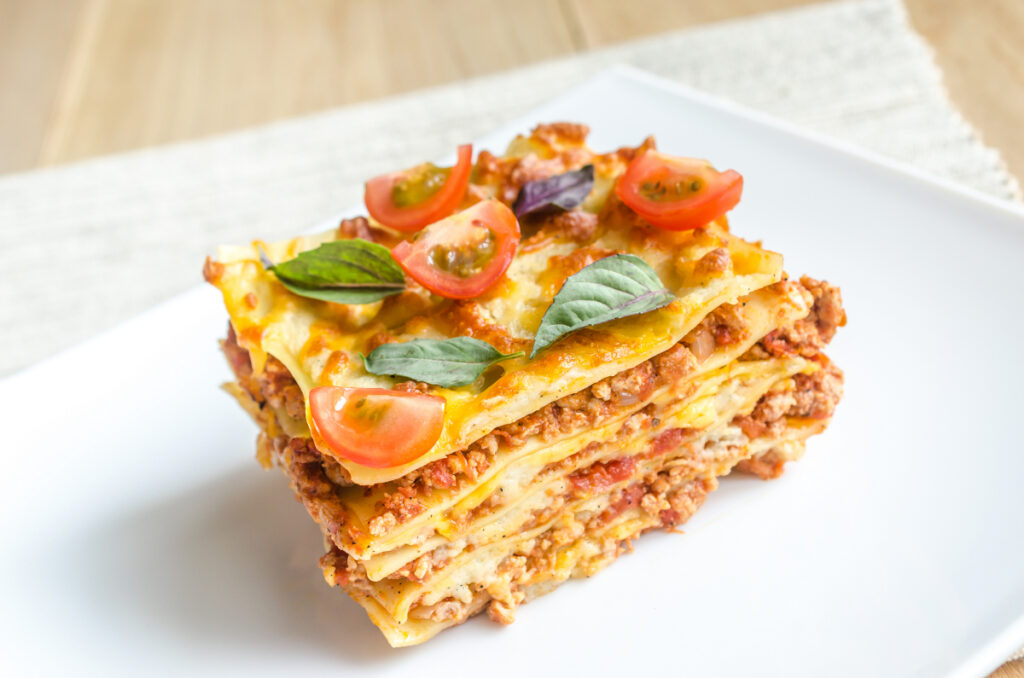
Originating from Italy, lasagna is a culinary delight known for its layered composition. This dish usually features pasta, meat (often ground beef), a tomato-based sauce, and gooey cheese. The cooked pasta sheets hold the sauce, meat, and cheese, giving you layers of textures and flavors in one dish. But that’s not all; modern twists on lasagna bring in a variety of vegetables like bell peppers and mushrooms, enhancing its flavor profile and adding a delightful texture.
How Is Lasagna Made? The Art of Lasagna Making
The creation of lasagna is much like constructing a flavorful building. It starts with the foundation – pre-cooking your choice of meat. Using a spacious skillet, usually over medium-high heat, ensures the meat is browned to perfection. Once that’s accomplished, set the meat aside, letting it cool slightly.
Building your lasagna masterpiece begins with setting your base – a layer of pasta sheets. Follow this with your aromatic meat mixture, perhaps with sautéed vegetables for added depth. Drench this layer with a generous helping of tomato sauce. As you stack the layers, the flavors merge, promising a delightful result. Once all your ingredients are layered, cap it with another layer of pasta, drench in the remaining sauce, and sprinkle a generous handful of grated cheese. This cheesy crust, once baked, provides a beautiful golden contrast to the rich, red layers beneath. Preheat your oven and let the baking magic begin!
Essential Components for Making the Perfect Lasagna
Lasagna, with its complicated layers and bold flavors, incorporates a delightful blend of ingredients, including:
- Pasta: The soul of the dish, lasagna sheets, can vary in width and texture. Depending on your taste or the recipe you’re following, you can pick the kind that resonates with your culinary vision.
- Meat: Whether rich ground beef, savory pork, or spicy sausage, meat adds depth and substance to your dish. Your choice here can significantly affect the overall taste and texture of the lasagna.
- Veggies: The likes of bell peppers, earthy mushrooms, and aromatic onions lend freshness and a crispy texture to balance out the richness of other ingredients.
- Tomato Sauce: Go with a trusted brand or get adventurous by crafting a homemade version for an authentic touch.
- Cheese: The creamy texture and flavors of ricotta, the sharpness of Parmesan, and the melt-in-mouth quality of mozzarella make these cheeses a favorite for lasagna enthusiasts.
- Herbs: Incorporating herbs like basil, oregano, and thyme, be it fresh or dried, can elevate the flavor profile of your dish significantly.
- Spices: Essentials like garlic, salt, and pepper breathe life into the layers, enhancing the overall taste and aroma.
The Process of Lasagna making
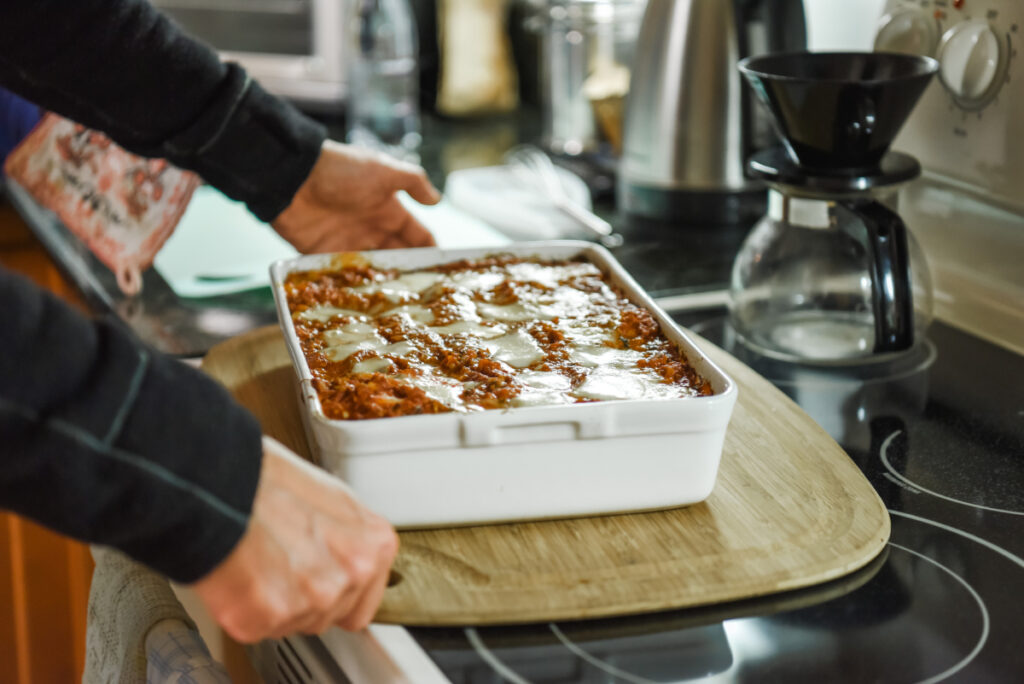
When all the ingredients are ready and you have started layering your baking dish with components until you have used up everything, the next step is to place it in the oven.
- Start by firing up your oven to 425 degrees Fahrenheit.
- Cover it with a protective aluminum foil covering. It ensures even cooking, and the lasagna top won’t burn.
- Now, place the lasagna dish in the middle rack. This is where it will get uniform heat.
- Let it cook in the heat for about 30 minutes or until you see a bubbly, golden top.
- Once done, practice patience; letting it cool for 10 minutes ensures optimal flavor when you dive in.
Nutritional information on lasagna
Ah, lasagna! That comforting, layered masterpiece that fills both our stomachs and souls. But while this dish delights our taste buds, have you ever considered its nutrition? Let’s talk about lasagna’s nutritional profile.
On average, a slice of this Italian classic typically lands between 500 to 700 calories. That’s a pretty sizable chunk if you’re counting, right? And with its luscious layers, it’s no surprise that it packs 20 to 30 grams of fat per slice. But remember, not all fats are created equal; the quality of ingredients shapes the nutritional punch this dish packs.
Now, if you’re looking to give your lasagna a nutritional makeover, there are some savvy swaps to consider:
- Whole Grain Pasta: Unlike its refined counterpart, whole grain pasta retains its natural nutrients and fibers, making your lasagna slice more filling and nutritionally dense.
- Lean Meats: Think ground turkey or lean cuts of beef. These choices reduce saturated fats, helping to keep those heart-health check marks in place.
- Low-Fat Cheeses: A sprinkle of sharp cheese can deliver flavor without all the fat. Also, don’t shy away from ricotta’s lighter versions—they offer a creamy texture without weighing heavily on the calorie scale.
- Veggie Boost: Want to elevate your lasagna even further? Layer in some spinach, zucchini, or bell peppers. This bulks up your lasagna with nutrients and adds beautiful colors and flavors.
Remember, cooking is an art. And, like any artist, you have the power to choose your palette. With a few thoughtful tweaks, you can serve a delicious lasagna and a touch more health-conscious. Enjoy!
Can you Bake lasagna at 425 degrees Fahrenheit?
Absolutely! Baking lasagna at 425 degrees Fahrenheit is feasible and recommended for many recipes. However, always be guided by your recipe’s specifics. Especially note that a densely layered lasagna or added veggies might need extra oven time. If unsure, a cooking thermometer is your best friend. Aim for an internal temperature of 160 degrees Fahrenheit, ensuring a well-cooked meal.
How Long To Bake Lasagna at 425 degrees Fahrenheit?
With its layered goodness, Lasagna generally lies in the oven at 425°F for 30 minutes. However, some lasagnas, particularly those with extra heft, might crave an additional 10-minute soak in the heat. A handy cooking thermometer is your culinary compass here. Ensuring that the heart of your lasagna reaches a cozy 160°F guarantees a thoroughly cooked, mouth-watering meal. Remember, every lasagna has its unique personality, influenced by ingredients and their respective thicknesses, so a bit of attention ensures a delightful dish every time.
How Long To Bake Lasagna at 400 degrees Fahrenheit?
If you opt for a slightly cooler oven at 400°F, your lasagna might want to linger a bit longer, approximately 40 to 50 minutes. This depends mainly on your chosen ingredients and their volume. A protective foil blanket for 30 minutes, followed by a 10-minute unveiling, ensures a gorgeously browned lasagna top.
How Long Does It Take To Bake Frozen Lasagna At 425?
Baking a frozen lasagna at 425°F? Carve out about 90 minutes from your schedule. The lasagna’s dimensions and density are pivotal in the exact timing. Initiate the journey with foil guarding your lasagna for the first 45 minutes, especially if it’s not pre-cooked. Then, let it bask uncovered for roughly another 45 minutes until it effervescently bubbles and signals its readiness. Post-baking, a brief 10-minute hiatus lets the lasagna settle before indulging. Throughout, vigilance is key. A thermometer’s verdict, pointing to 160°F, crowns your lasagna as ready to be relished!
How Do You Know When Lasagna is Baked to Perfection?
A successfully baked lasagna will exhibit a few unmistakable signs. It’ll have a core temperature of 160 degrees Fahrenheit – something you can precisely gauge with a cooking thermometer. Alongside this, you’ll witness a lively sizzle at its heart. As you gaze upon its golden-brown top, a slight crispness will hint at its readiness. If you believe in the power of tasting, snatch up a little piece and judge its readiness. The pasta’s tenderness is another crucial indicator. A prod with a fork or knife should slide through smoothly; give it more oven love if it meets resistance.
How Do You Enhance The Taste Of Lasagna?
Lasagna, in all its glory, can always embrace a bit of experimentation. Here are a few ideas:
- Play around with herbs and spices to give the sauce a unique zing.
- Maybe mix it up with cheeses – a trio of mozzarella, Parmesan, and ricotta promises a melody of flavors.
- For those who fancy a surprise in every bite, infuse layers with seasoned ricotta or a medley of veggies like zucchini, spinach, or mushrooms.
- If you wish to channel the essence of Italy, sprinkle in some basil, oregano, rosemary, or thyme.
- For a bolder palette, a hint of garlic powder combined with a pinch of chili flakes might do the trick.
Can you prepare lasagna ahead of time?
Planning? Your lasagna doesn’t mind waiting. Feel free to prepare it a few days before and let it sit comfortably in your refrigerator. Should you wish to stash it for longer, freezing is a good choice. But remember, a three-month tenure is its limit. Take it out of the freezer when it shows time, and let it thaw in your refrigerator overnight. Cover it with foil when baking, place it in a preheated oven for 30 minutes, then let it brown beautifully for another 10 minutes.
How Do You Reheat Cook Frozen Lasagna?
Previously cooked and now frozen lasagna is no fuss to bring back to life. Whether you’re an oven devotee or a microwave maven, there’s a way. The oven calls for a warm-up to 350 degrees Fahrenheit. Your lasagna should be nestled on a baking sheet, guarded by foil, and then reheated for 20 minutes or until it’s delightfully warm and beckoning.
When you’re longing for that perfect slice of lasagna and the microwave is your chosen tool, here’s what you do: Place your lasagna in a microwave-friendly dish, giving it a gentle cover. Reheat it on high for around 4-5 minutes usually does the trick. If your lasagna has been in the freezer, leapfrog the thawing step – you don’t want a mushy mess.
As with any reheated dish, safety first! Check with a thermometer to ensure your lasagna’s heart warms up to 160 degrees Fahrenheit. Once your lasagna is piping hot, grant it a short, 5 to 10-minute reprieve to settle before diving in.
How Long To Bake Lasagna Uncovered or Covered At 350?
Unsure about the specifics of baking your lasagna at 350 degrees Fahrenheit? Here’s a cheat sheet:
- Uncovered: Let your lasagna bask be uncovered for 45 minutes to an hour. That golden-brown crust atop with a sizzle underneath is what you’re gunning for. But always remember – a thermometer check ensuring an internal 160 degrees Fahrenheit is your safety net. If the top hasn’t quite reached that beautiful hue, let it brave the oven’s embrace for an extra 10 minutes or flirt with the broiler to achieve that enticing finish.
- Covered: Preferring it under wraps? Shield your lasagna with foil, and set your timer for 45 minutes. After that, it’s unveiling time for an additional 15 minutes. Like its uncovered counterpart, it craves that 160-degree internal warmth and that signature golden crust.
How Long Can Lasagna Sit Out Before Baking?
Before the heat treatment, lasagna can lounge at room temperature for two hours. Tarry longer, and you risk uninvited bacterial guests. If baking isn’t on the immediate horizon after those two hours, tuck it into the fridge or freezer until the oven calls.
Do You Have To Wrap Lasagna With Foil While It Cooks?
Is foil a must? Not really. But think of it as lasagna’s comfy blanket. It traps moisture, ensuring each layer remains lusciously soft. If you’re rooting for optimal moisture and a gorgeous finish, cover your lasagna with foil for the initial 45 minutes at 350 degrees Fahrenheit. The grand reveal happens in the last 15 minutes, giving it a golden top.
Wrapping it up
Lasagna, the layered Italian culinary marvel, is a dish where precision meets passion. While its origin traces back to Italy, the meticulous stacking of ingredients like pasta sheets, meat, veggies, aromatic herbs, and creamy cheese creates this delicacy. Baking it just right ensures a harmonious blend of flavors and textures. Opting for a 425°F oven temperature? Aim for around 30 minutes or until it displays a bubbly golden crust. But remember, every lasagna has its quirks. Ingredients and thickness play a role, so don’t hesitate to adjust. And for those revisiting a frozen treasure, 90 minutes should do the trick at the same temperature. Whether experimenting with herbs or blending cheeses, the essence lies in crafting and enjoying it with love. If you’re prepping ahead, refrigerate or freeze, but when it’s time to relish, ensure a heartwarming 160°F core. As for the foil debate, it’s lasagna’s moisture-preserving cloak, sealing in lusciousness until that final golden flourish. In short, making lasagna is an art, and perfecting it? That’s a journey of flavors, warmth, and memories.